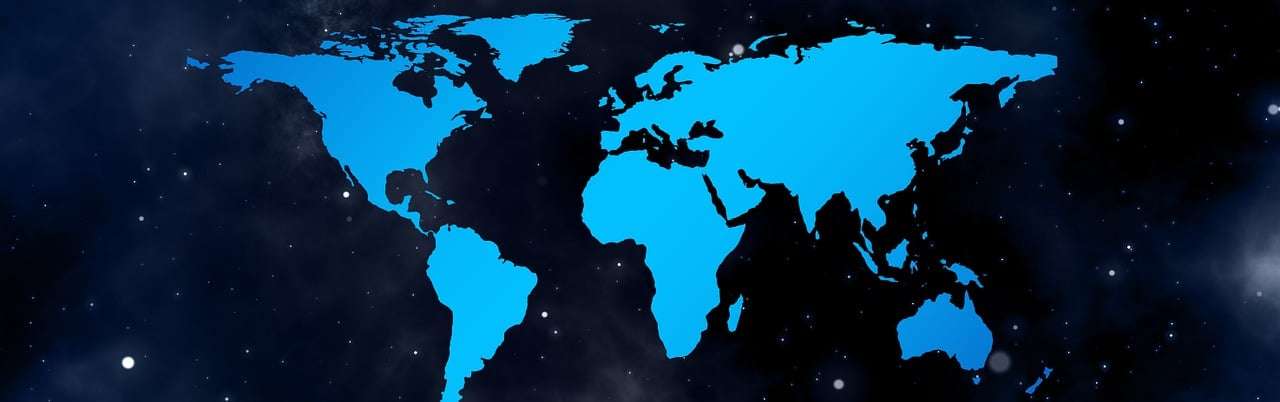
The Return of Unilateral Power: Modern Interventions and the Global Balance of Power
For decades, the post-Cold War consensus relied—at least in principle—on collective security, multilateral coalitions, and the rules-based order of the United Nations. Today, that system is undergoing a fundamental structural realignment.
As major powers bypass traditional international bodies in favor of direct, unilateral military action, regional flashpoints are multiplying. From targeted strikes and naval blockades to rapid, unannounced interventions, the global balance of power is shifting from consensus-driven diplomacy to raw strategic leverage.
The Decay of the Multilateral Framework
The core driver of today’s geopolitical instability is the erosion of universal international institutions. Where global powers once sought broad UN Security Council resolutions or regional consensus prior to military deployment, state actors now increasingly prioritize strategic autonomy and expedient national interest.
-
Sovereignty Under Strain: The boundary separating economic coercion, maritime operations, and direct military force has become razor-thin.
-
Institutional Paralysis: Veto deadlocks in international bodies have left global institutions unable to deter unilateral actions by global or regional powers.
-
Emergence of Power Blocs: Rather than universal coalitions, states are relying on transactional, ad-hoc groupings to project military force and enforce regional dominance.
Key Flashpoints: Where Geopolitics Meets Force
The revival of unilateral interventionism is actively playing out across several critical theaters:
                  ┌─────────────────────────────────────────┐
                  │    UNILATERAL FORCE & GEOPOLITICS       │
                  └────────────────────┬────────────────────┘
                                       │
         ┌─────────────────────────────┼─────────────────────────────┐
         ▼                             ▼                             ▼
┌───────────────────┐         ┌───────────────────┐         ┌───────────────────┐
│   LATIN AMERICA   │         │    MIDDLE EAST    │         │  EASTERN EUROPE   │
│   & CARIBBEAN     │         │   & HORN OF AFRICA│         │   & INDO-PACIFIC  │
├───────────────────┤         ├───────────────────┤         ├───────────────────┤
│ Executive actions │         │ Direct strikes,   │         │ War of attrition, │
│ & maritime coercion│        │ proxy warfare,    │         │ trade corridor    │
│ targeting sovereign│        │ and redrawn security│       │ militarization,   │
│ governance.│  │ zones. │ │ gray-zone tactics.│
└───────────────────┘         └───────────────────┘         └───────────────────┘
-
Latin America & The Caribbean: Unilateral naval pressure and high-stakes regime clashes have redefined Western Hemisphere diplomacy, testing the limits of international law and state sovereignty.
-
The Middle East & Red Sea: Direct strikes between regional powers and major state actors—bypassing traditional peacekeeping pathways—have destabilized vital maritime choke points and international shipping lanes.
-
Eastern Europe & Eurasia: The ongoing war of attrition in Ukraine continues to test long-term Western defense manufacturing capacity, while weaponized drone technology normalizes constant, deep-strike warfare.
Strategic Implications for Global Stability
The shift back toward unilateral military intervention carries profound consequences for international governance:
| Area of Impact | Traditional Model | The Modern Reality |
| Conflict Resolution | Multilateral treaties and diplomatic summits | Bilateral dealmaking backed by immediate military posture |
| Deterrence | Formal defense pacts and international law | Rapid force projection and gray-zone escalation |
| Middle Powers | Alignment with major global power blocs | Strategic hedging, regional alliance-building, and rearmament |
What Comes Next?
As unilateral military actions become normalized, international law faces a structural crisis. Small and mid-sized nations are rapidly increasing their defense budgets. Signaling a world where self-reliance outweighs reliance on international treaties.
The defining question for the coming decade is no longer whether multilateral institutions can prevent conflict. But whether a new balance of power can prevent unchecked unilateral interventions from escalating into systemic global war.
Disclaimer
Note: Political Awareness never authorizes its published communication on behalf of any candidate or their committees.
Note: This content was created with AI assistance and reviewed by Political Awareness Super PAC staff. Paid for by Political Awareness Super PAC FEC ID C00892364. Not authorized by any candidate or candidate’s committee.
Address: 342 Rockwell ave Pontiac, MI 48234. Email Contact@politicalawareness.org
Political Awareness Super PAC is registered with the Federal Election Commission. As an Independent Expenditure-Only Political Committee (aka “Super PAC”) with FEC ID C00892364.
Leave a Reply